
Kitchen Garden for Beginners: How to Start at Home
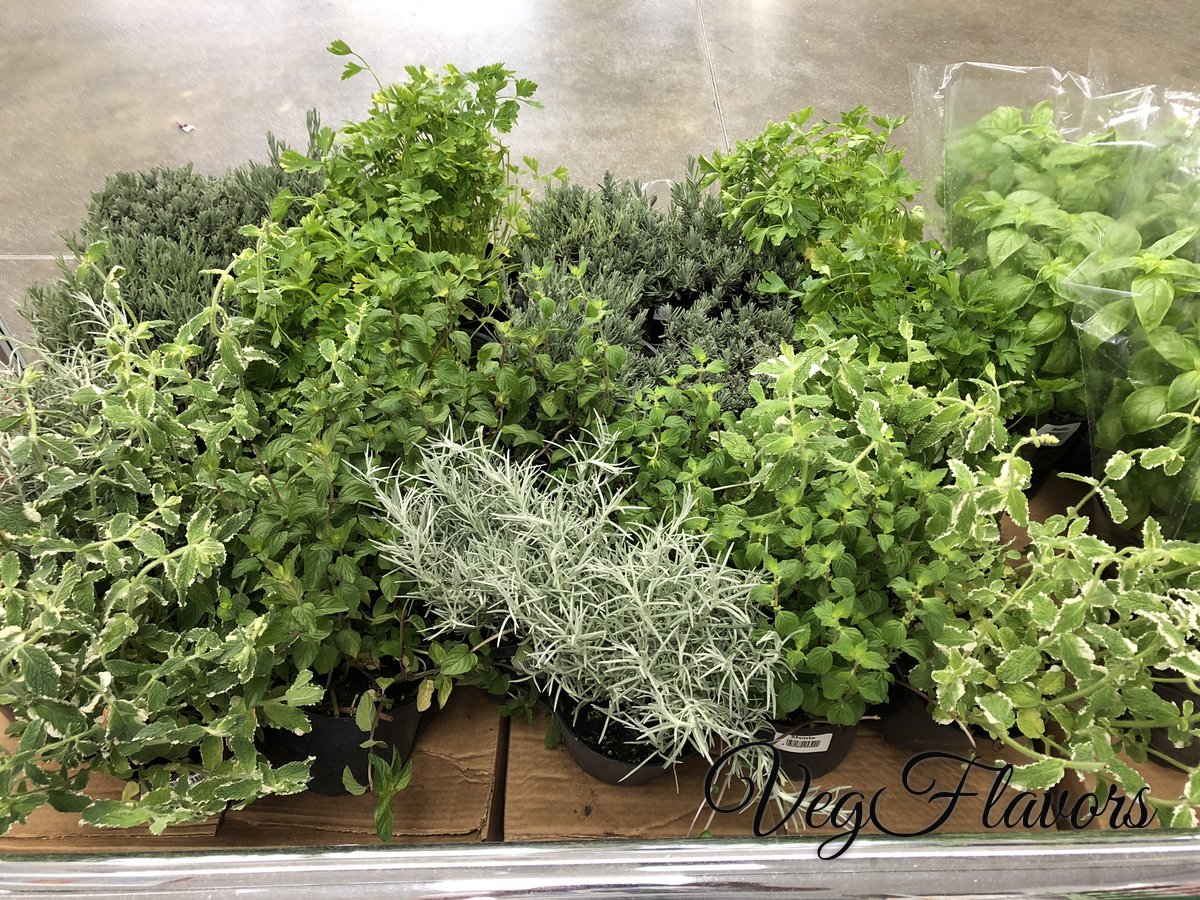
Picking coriander, mint or green chilli from your own pot just before cooking is a small joy, and you don’t need a big yard for it. A sunny balcony, a window or a few pots on the steps is enough to start a kitchen garden.
Growing food at home is not a new idea. Families in India have grown tulsi, curry leaves, chillies and a few vegetables in courtyards, balconies and terraces for generations, and the same habit is found all over the world. What has changed is that we now have good potting mixes, grow bags and ideas for small spaces, so even a flat with one sunny window can have a little garden.
Most beginners lose plants for the same few reasons: too little sun, pots without drainage, too much water, and planting a crop in the wrong season. This guide covers the basics, including what weather and temperature each plant needs, so your first garden has a good chance.
At a glance
- Sunlight: 6-8 hours of direct sun for fruiting plants (tomato, chilli, okra), 4-6 hours is enough for leafy herbs and greens
- Pots: always with drainage holes, 8-10 inch (20-25 cm) for herbs, 5 gallon (19 L) or bigger for tomato and chilli
- Soil: potting mix with some compost, not hard garden soil
- Water: when the top 1 inch (2.5 cm) of soil feels dry
Why start a kitchen garden? The real benefits
The first benefit you notice is taste and freshness. Herbs and leafy greens lose flavour and nutrients quite fast after harvest, so leaves you pick just before cooking are at their best. A handful of fresh coriander or mint also costs almost nothing when it comes from your own pot, and it saves a trip to the shop for that one missing ingredient.
There is a quieter benefit too. You decide what goes on your plants, so you can choose compost and gentle options like neem oil instead of heavy sprays. Looking after plants becomes a calm daily routine, children love picking something they planted themselves, and a kitchen garden goes hand in hand with composting, because your vegetable peels go back to feed the pots. Many people also find they waste less food once they see how much effort a single tomato takes to grow.
Kitchen gardens around the world: weather and seasons
Every country has its own kitchen garden tradition. In France the potager mixes vegetables, herbs and flowers in neat beds. In the UK many families rent a small plot called an allotment, and during the Second World War the ‘Dig for Victory’ campaign encouraged people to grow vegetables in gardens and parks. The United States had ‘victory gardens’ in both world wars, and in India terrace and balcony gardens with tulsi, chillies, curry leaf and mint are a familiar sight in cities and villages alike.
What you can grow depends a lot on the weather where you live. In tropical and subtropical places such as most of India, the growing season is long, and the main question is how to get through the hottest weeks of summer. In cooler countries like the UK, Canada or the northern US, the season runs roughly from spring to autumn, between the last and first frost, so people start seeds indoors and protect plants when it turns cold. Whatever your climate, learning which crops are cool-season and which are warm-season is the first step, and the next section explains exactly that.
Choose the right spot
Sunlight matters more than anything else. Watch your space for a day and note how many hours the sun actually falls there. Fruiting plants like tomato, chilli, okra and bitter gourd need 6-8 hours. Leafy plants like coriander, methi, spinach and mint do fine with 4-6 hours and like some shade in the afternoon in warm weather.
Keep pots where you can reach them easily and where the water can drain. Plants that are close to the kitchen get watched and used more.
Know your weather and temperature
Gardeners often say there are no bad plants, only bad timing. A coriander plant that struggles in July can be perfectly happy in November, and a tomato that sulks in March thrives by June. So before buying seeds, spend a few minutes thinking about your local weather.
Every vegetable has a temperature range where it grows well. Plants are either cool-season or warm-season, and sowing in the wrong season is the most common reason for failure.
- Cool-season crops grow best at 50-70°F (10-21°C): coriander, methi, spinach, peas, lettuce. In hot weather they flower early (bolt) and turn bitter.
- Warm-season crops grow best at 70-90°F (21-32°C): tomato, chilli, okra, bitter gourd, brinjal. They slow down below 60°F (16°C) and frost kills them.
- Perennial herbs like mint grow in both, but stop growing in very hot or freezing weather.
- Find your area’s last spring frost date and first autumn frost date. Plant warm-season crops after the last frost, and cool-season crops in early spring or autumn.
In the plains of India, cool-season crops are usually sown from October to February and warm-season crops from February to March and again with the monsoon in June and July.
Pots and soil
- Every pot needs drainage holes. Plants sitting in water rot at the roots.
- Use potting mix mixed with compost, roughly 3 parts potting mix to 1 part compost. Hard garden soil packs tight in pots.
- Size guide: 8-10 inch (20-25 cm) pot for coriander, methi, mint and spinach. 5 gallon (19 L) or a 12 inch (30 cm) deep pot for one tomato, chilli or okra plant.
- Grow bags, buckets and old containers work just as well as clay pots, only make holes at the bottom.
Easy plants to start with
Start with 3-5 pots, not 20. These are the easiest for a first garden:
- Coriander (dhania) and methi: fast, ready in 3-4 weeks, good in cool weather.
- Mint (pudina): hard to kill, grows in a pot on its own.
- Green chilli: a single plant gives chillies for months in warm weather.
- Tomato: needs a big pot and sun but is very rewarding. See how to grow tomatoes from seeds.
Watering and feeding
Watering is where most beginners go wrong, in both directions. Plants in pots dry out faster than plants in the ground, but they also drown more easily, because the water has nowhere to go if the pot does not drain.
- Push a finger 1 inch (2.5 cm) into the soil. If it is dry, water until it runs out of the bottom. If it is damp, wait.
- Water in the morning. Wet leaves and soil at night invite fungus.
- In hot weather small pots may need water every day. In cool weather every 3-4 days may be enough.
- Feed leafy plants and herbs lightly every 2-3 weeks. Feed fruiting plants every 2-4 weeks once flowers appear, with compost or a balanced plant food.
Common beginner mistakes
- Overwatering. Yellow leaves and soggy soil usually mean too much water, not too little.
- Pots that are too small, especially for tomato and chilli.
- Growing sun-loving plants in a shady corner.
- Sowing out of season, like coriander in peak summer or okra in cold weather.
- Planting too many seeds in one pot. Thin seedlings so each plant gets room.
Frequently asked questions
How much sunlight does a kitchen garden need?
Fruiting vegetables need 6-8 hours of direct sun. Leafy herbs and greens grow with 4-6 hours. If you have less than that, grow mint, coriander and spinach and use a grow light for the rest.
Can I start a kitchen garden in a small apartment?
Yes. A sunny window or balcony is enough for herbs, greens and a chilli or tomato plant in a large pot. Use pots with trays to catch water.
What is the easiest vegetable to grow at home?
Coriander, methi and mint are the easiest for beginners. They grow fast, need little space and can be harvested within weeks.
If you enjoy fresh herbs, try our mint chutney and more side dish recipes on vegflavors.